Educational Information About Natural Nutrients for Adult Males
This educational resource provides informational content about the role of natural nutrients in supporting normal physiological processes in the human body. Our focus is on explaining how various nutrients function within the body and identifying natural food sources where these nutrients can be found.
The information presented here is based on scientific understanding of nutrition and is designed for general informational purposes. We explain concepts, describe phenomena, and provide context about the importance of diverse, regular food intake for physiological stability.
Educational content only. No promises of outcomes.
This website is an independent educational resource. All materials are presented for informational purposes only and should not be interpreted as medical advice, recommendations, or promises of specific results. Individual nutritional needs vary, and dietary choices are personal decisions that may benefit from professional consultation.
The human body requires various nutrients to maintain normal physiological functions. These include vitamins, minerals, amino acids, and other essential compounds. Each nutrient plays specific roles in metabolism, energy production, immune function, and cellular maintenance.
Nature provides diverse sources of essential nutrients. Understanding where different nutrients come from helps in recognizing the importance of dietary diversity.

Mackerel is recognized as a significant natural source of omega-3 fatty acids (EPA and DHA) and vitamin D. These nutrients support cardiovascular function and bone health through normal physiological processes.

Pecans contain zinc, a mineral involved in immune function and enzyme activity, and vitamin E, which supports cellular function. These nuts demonstrate how single foods can provide multiple essential nutrients.

Leafy greens like chard provide magnesium, essential for muscle and nerve function, and iron, necessary for oxygen transport and energy metabolism.
Vitamin K plays essential roles in bone mineralization and blood coagulation. The body requires adequate vitamin K intake to support these normal physiological processes. Natural food sources provide this nutrient effectively.

Zinc functions as a cofactor for numerous enzymes involved in metabolism, immune response, and cellular growth. Understanding its natural sources emphasizes the importance of varied food intake.

Manganese participates in bone formation, metabolism, and antioxidant defense mechanisms. This trace element is naturally present in various plant-based foods and demonstrates the nutritional richness of whole foods.
Vitamin A supports normal vision, immune function, and cellular health. Both animal and plant sources provide this nutrient, with plant sources offering provitamin A compounds that the body converts as needed.

Beyond the well-known minerals, trace elements like selenium, copper, and iodine are essential for normal body function. These elements work together in complex physiological processes that science continues to understand more fully.

Selenium supports antioxidant defense and thyroid function. Copper participates in energy metabolism and iron transport. Understanding the natural sources of these elements illustrates the complexity of nutrition.
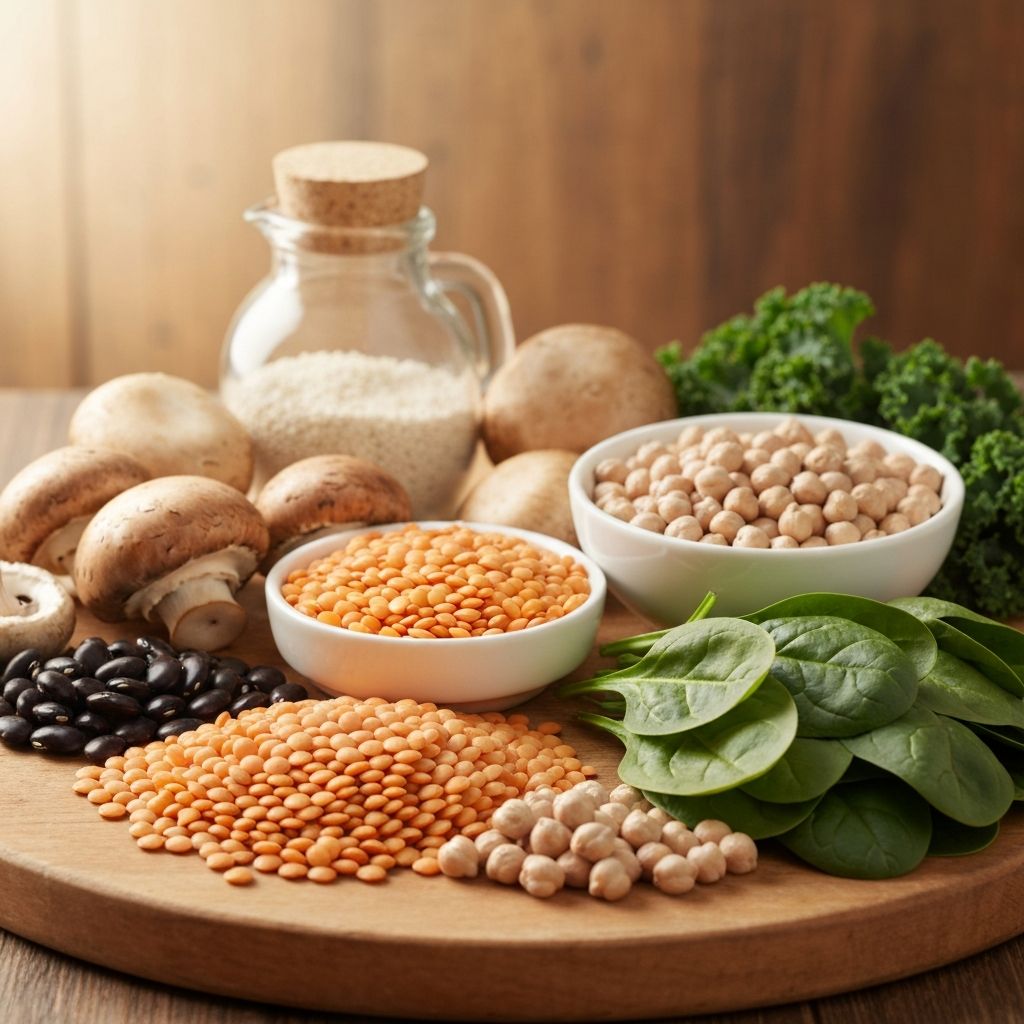
Iron functions in oxygen transport and energy production. Iodine is essential for thyroid hormone synthesis. The distribution of these elements across various foods supports the principle of dietary diversity.
The amount of a nutrient present in food is only part of the story. Bioavailability refers to how much of that nutrient the body can actually absorb and utilize. Various factors influence this process.
For example, vitamin C enhances iron absorption, while certain compounds in some foods may reduce mineral bioavailability. This demonstrates why food variety and combination matter in supporting normal nutrition.
Minimal processing of foods generally preserves nutrient content better than heavy processing. Whole foods, fermented foods, and minimally processed options typically retain more of their original nutrient profiles.
No single food contains all nutrients in optimal amounts. This fundamental principle supports the concept of dietary diversity—consuming a variety of foods ensures access to a broad spectrum of nutrients.
The science of nutrition continues to evolve as research reveals how nutrients support bodily functions. Here are some established facts about the roles of natural foods in health maintenance.
This educational resource aims to explain the foundations of natural nutrition and the roles of various nutrients in supporting normal body functions. Explore specific nutrients, food sources, and nutritional concepts in greater detail through our additional resources.
All materials on this website are provided for informational purposes only. This site is not intended as a substitute for professional medical advice, diagnosis, or treatment. Individual nutritional needs vary widely, and what suits one person may not be appropriate for another. Please consult with healthcare professionals regarding your personal health decisions.
Educational content only. No promises of outcomes.